
Why you shouldn't clean your coins
Guide
Sending photos doesn't commit you to sell
Should I clean or polish old coins before I sell them?
No.
Leave them as they are and send photos.
1. What cleaning does to a coin
Cleaning can't be undone. Rubbing, polishing or dipping leaves changes on a coin's surface that experienced graders can see.
NGC, one of the major coin grading services, says there is no means of restoring the natural surfaces of an improperly cleaned coin.
Each method leaves its own mark.
- Rubbing and polishing leave fine scratches called hairlines. A soft cloth is enough to make them.
- Dipping is a chemical bath. It strips the color a coin has taken on with age and takes a thin layer of metal with every dip.
Cleaning can't be undone.
2. What is lost
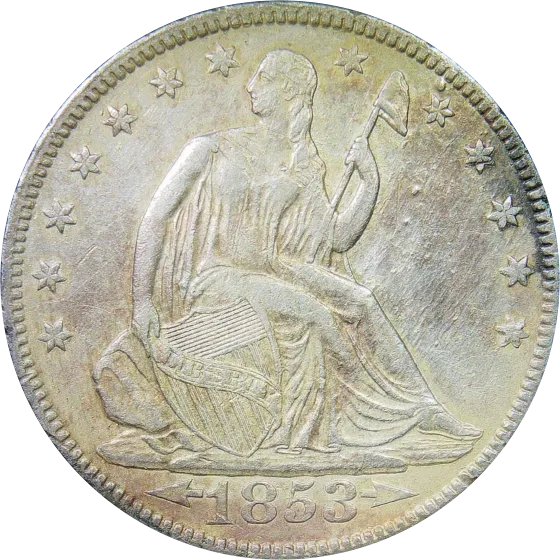
A coin that has never been cleaned still has its original surface. On an unworn coin that surface carries mint luster, the shine left by the way the metal flowed when the coin was struck.
Turn such a coin under a lamp and the light swings around it like the spokes of a wheel. Harsh cleaning smooths the surface, and that shine turns flat.
The darkening on old silver and copper is called toning. It forms naturally over time as the metal reacts with its surroundings, and it is not dirt. Toning runs from pale yellow through blue, gray and brown to black, and copper coins turn from red to brown.
The U.S. Mint tells collectors that older coins with deep age coloration are more desirable than coins whose surfaces have been stripped by improper polishing or cleaning.
3. What grading services do
NGC and PCGS, another major grading service, both grade coins on a scale from 1 to 70. Major grading services typically give a cleaned coin a “details” grade instead of a regular numeric grade.
The label then describes the amount of wear in words, such as “VF Details” for Very Fine, and notes the problem. On an NGC label the note may read “Cleaned”, or “Improperly Cleaned” on holders from before 2018. PCGS prints a problem code, and 92 means harsh or abrasive cleaning.
4. What to do instead
Handle your coins as little as you can until someone has looked at them.
- Leave dirt, dark color and spots alone.
- If you need to move a coin, hold it by the edges over a soft towel. Fingerprints on the faces can leave permanent marks, especially on proof and uncirculated coins.
- Leave coins in their albums, flips, holders and Mint packaging, and don't open rolls. Photograph the ends instead.
- Taking coins out can scratch them. The sliding plastic strip in an album can leave a row of fine lines across a coin.
- If a coin was cleaned years ago, leave it as it is now. More cleaning will not bring the surface back.
5. Paper money too
Leave notes as they are. Don't flatten, press, iron, wash or tape them, and don't try to repair tears.
Pressing takes out the natural wave of the paper and the raised impression left by the serial numbers and seals. Washing fades the colors.
PMG, a grading service for paper money, gives its Exceptional Paper Quality (EPQ) designation only to notes that have not been pressed, washed or repaired. The Library of Congress advises against using self-adhesive tape or glue on paper.
Guides
- Inherited coins or paper money? What to do first
- Old U.S. paper money: what collectors look for
- How to tell if a coin is silver
- How to photograph coins and paper money with your phone
- Morgan and Peace silver dollars: how to tell which you have
- Wheat pennies: which dates to look for
- How to read the label on a graded coin
Ready to show us what you have?
We're based in Rockmart, Georgia, and we look at every collection in person before making any offer.