
How to photograph coins and paper money with your phone
Guide
Sending photos doesn't commit you to sell
What photos does a buyer need to see?
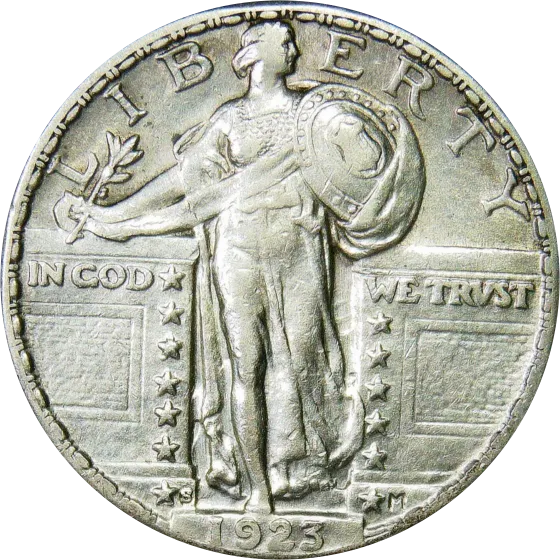
A buyer needs the front and back of each piece, a close look at the date and mintmark, and a picture of whatever it is stored in. A phone, daylight from a window and a plain towel are enough.
1. Front and back
A loose coin needs two photos: the front, then the back.
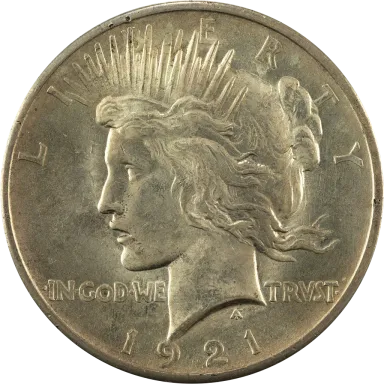
On a Morgan or Peace silver dollar the mintmark is on the back, so a photo of the front alone leaves it out.
If an album or holder hides one side, photograph the side that shows.
Both sides of every coin or note.
2. Light, focus and background
Each photo needs good, even light with no glare, the item in sharp focus, and a plain, uncluttered background.
- Work by a window in daylight and turn the flash off. Flash causes glare.
- Lay a plain, soft towel on a table. It gives you a plain background and a soft surface.
- Hold the phone flat above the coin and keep it still. A steep angle makes a coin look stretched.
- Tap the coin on your screen so the camera focuses on it.
- If the picture is blurry, lift the phone a little and try again. A phone can't focus when it is too close.
- Look at each photo before you send it. You should be able to read the date.
3. The date and the mintmark
Take close-ups of the date and the mintmark. A mintmark is a small letter, such as D or S, that shows where the coin was made. No letter usually means Philadelphia.
Collectors look at the date and the mintmark together, and some combinations are scarcer than others.
Where to find the mintmark on coins people often have:
- Lincoln cent: on the front, under the date.
- Morgan dollar: on the back, below the wreath and above the D and O of DOLLAR.
- Peace dollar: on the back, below the word ONE.
- Wartime nickel, 1942 to 1945: on the back, a large letter above the dome of Monticello. Some 1942 nickels were made before the wartime change and don't have it.
4. Edges, holders and rolls
Leave everything as it is and photograph it that way. If you need to move a coin, hold it by the edges.
- Loose silver coins: one photo of the edges. A short stack is fine. A copper stripe on the edge of a dime or quarter means it is clad: copper-nickel over a copper center, with no silver.
- Albums, flips (small plastic sleeves), holders and Mint packaging: leave the coins in. Original packaging can matter to collectors.
- Rolls: don't open them. Photograph the ends.
- Graded coins and notes: the front and back of the holder label, including the certification number. If the plastic shines, tilt it until the glare is gone.
- Bars and rounds: the stamped weight and purity.
5. Paper money, and how to send
Photograph both sides of each note, with the whole note in the frame and the serial numbers readable.
A star at the start or end of a serial number usually marks a replacement note, printed in place of a misprinted one. Make sure it shows.
Leave a note as it is, folds and all. Don't flatten, press or tape it first.
Send photos in a private message, not as a comment on a public post. Your town is enough to start.
Guides
- Inherited coins or paper money? What to do first
- Old U.S. paper money: what collectors look for
- How to tell if a coin is silver
- Why you shouldn't clean your coins
- Morgan and Peace silver dollars: how to tell which you have
- Wheat pennies: which dates to look for
- How to read the label on a graded coin
Ready to show us what you have?
We're based in Rockmart, Georgia, and we look at every collection in person before making any offer.